In other articles, we have explored the link between glyphosate and multiple conditions including eczema and glyphosate. In this article we would like to get deeper into the quantities of residues on foods and the toxicity this may produce in the body.
First and introduction on glyphosate. It is the active ingredient in Roundup and the world's most widely used herbicide, it has become a ubiquitous presence in modern agriculture.
Research from various organizations, including the Environmental Working Group (EWG), Food Democracy Now!, and The Detox Project, as well as governmental agencies like the Canadian Food Inspection Agency (CFIA) and the U.S. Food and Drug Administration (FDA), consistently points to certain food categories and specific products as having elevated glyphosate residues.
Cereal Grains and Legumes: A Common Culprit
Oats: Numerous studies have highlighted oats and oat-based products as frequent carriers of glyphosate. The EWG, for instance, found glyphosate in over 95% of popular oat-based food samples, with many exceeding their health benchmark for children [1, 4]. Specific examples of high levels found in oat products include:
- Honey Nut Cheerios Medley Crunch (833 particles per billion (ppb)) [4]
- Nature Valley Crunchy Granola Bars, Maple Brown Sugar (566 ppb) [4]
- Quaker Instant Oatmeal [5]
- Lucky Charms cereal [5]
Wheat: Similar to oats, wheat is often sprayed with glyphosate as a desiccant before harvest to facilitate drying [1, 4]. Research indicates that wheat-based products frequently contain glyphosate residues. The CFIA found glyphosate contamination in 80 to 90 percent of popular wheat-based products such as pizza, crackers, and pasta [1, 2].
- Catelli Healthy Harvest Multigrain Spaghetti (231 ppb) [2]
- Kraft Dinner Original Mac & Cheese (521 ppb) [2]
- Ritz Original crackers (569 ppb) [2]
- PC Blue Menu Tortillas 100% Whole Grain (744 ppb) [2]
- General Mills' Original Cheerios (1,125.3 ppb) [3]
- Stacy's Simply Naked Pita Chips (812.53 ppb) [3]
Chickpeas and other pulses (beans, lentils): Despite not being genetically engineered to resist glyphosate, chickpeas and other legumes can exhibit high levels of residues due to pre-harvest spraying to dry the crops [1, 2].
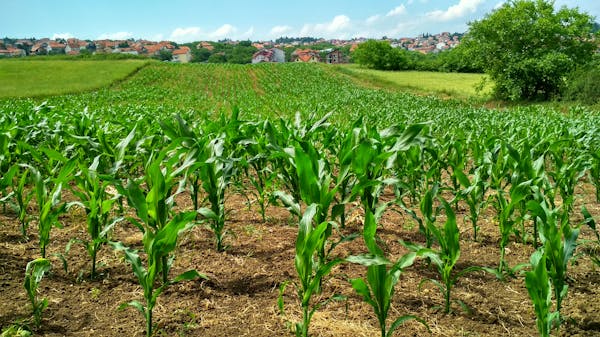
Corn and Soy: These are the primary "Roundup Ready" crops, genetically modified to withstand direct application of glyphosate [1, 4]. While the FDA reported finding glyphosate in 63% of corn samples and 67% of soybean samples, the levels are generally considered "legal" but still represent a significant source of exposure [1, 2, 5].
Other Foods with Detected Glyphosate
Beyond these staple grains and legumes, glyphosate has been detected in a variety of other foods:
- Almonds: Glyphosate is commonly used as a weedkiller in non-organic almond orchards, leading to residues in almonds and almond products [1].
- Berries: Studies have shown that glyphosate residues can persist in blueberry and raspberry fruit for up to a year after spraying, and in plant shoots and root systems for years [1].
- Honey: As a product of bees foraging on treated crops, honey can contain glyphosate residues [5].
- Various Fruits and Vegetables: While generally lower, glyphosate has been detected in fruits and vegetables like oranges, spinach, apples, and carrots, although often below regulatory limits [3, 4].
Understanding the Context
It's important to note that while glyphosate is frequently detected in these foods, the levels found are often below the maximum residue limits (MRLs) set by regulatory bodies like the EPA [4, 5]. However, some independent analyses use stricter benchmarks based on potential health impacts, leading to different interpretations of what constitutes a "safe" level [3, 4].
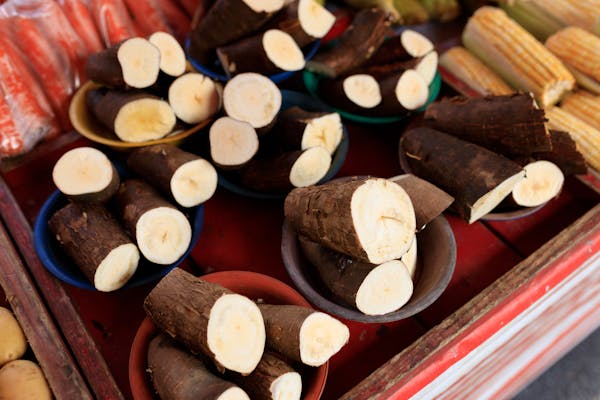
For consumers concerned about glyphosate exposure, opting for certified organic products is often recommended, as organic farming prohibits the use of synthetic herbicides like glyphosate [4, 5]. Additionally, look for "Glyphosate Residue Free" labels from third-party certification programs [4, 5]. When this is not possible due to lack of budget, our suggestion is to opt for the replacement of carbohydrates from staple foods or grains as wheat, rice, oats and others for other sources of carbs which being less commercially produce with intensive agriculture, may have only low levels or no presence of glyphosate residues even being labelled as non-organic, alternatives may include (we will put the names in latin for wordwide reference): Manihot esculenta, Solanum phureja and others.
References:
- Environmental Working Group. (2019, February 28). Glyphosate Contamination in Food Goes Far Beyond Oat Products. Retrieved from
https://www.ewg.org/news-insights/news/2019/02/glyphosate-contamination-food-goes-far-beyond-oat-products - Environmental Defence. (n.d.). Glyphosate is everywhere: What's in your lunch? Retrieved from
https://environmentaldefence.ca/wp-content/uploads/2018/09/Whats-In-Your-Lunch-Glyphosate-Report-Sept-2018.pdf - Beyond Pesticides. (2018, May 2). FDA Scientists Find Glyphosate in Common Foods, Internal Emails Show. Retrieved from
https://beyondpesticides.org/dailynewsblog/2018/05/fda-scientists-find-glyphosate-common-foods-internal-emails-show/ - ConsumerNotice. (2023, May 9). Glyphosate in Food: Avoid These Contaminated Products. Retrieved from
https://www.consumernotice.org/environmental/pesticides/glyphosate-in-food/ - MDPI. (n.d.). Glyphosate as a Food Contaminant: Main Sources, Detection Levels, and Implications for Human and Public Health. Retrieved from
https://pmc.ncbi.nlm.nih.gov/articles/PMC11171990/


